

What are the limitations of a high - pressure homogenizer?
Jul 22, 2026
As a supplier of High - pressure Homogenizers, I've had the chance to work closely with these machines and understand their ins and outs. High - pressure Homogenizers are pretty cool pieces of equipment. They're used in a bunch of industries, like food and beverage, pharmaceuticals, and cosmetics, to break down particles and make products more stable and consistent. But like any piece of tech, they've got their limitations.
1. Particle Size Limitations
One of the main limitations of a High - pressure Homogenizer is the minimum particle size it can achieve. No matter how high the pressure you crank up, there's a limit to how small you can get those particles. In most cases, the smallest particle size you can reach is around 100 - 200 nanometers. This might be small, but in some industries, like nanotechnology, they need even tinier particles. For example, in the development of certain drug delivery systems, particles in the range of 10 - 50 nanometers are often required. A High - pressure Homogenizer just can't cut it in these situations.
The reason behind this limitation is related to the physical forces at play. When the sample is forced through the homogenizing valve at high pressure, the particles are subjected to shear, impact, and cavitation forces. However, as the particles get smaller, the cohesive forces between their molecules become stronger. These cohesive forces make it increasingly difficult for the homogenizer to break them down further.
2. High Energy Consumption
High - pressure Homogenizers are energy hogs. To generate the high pressures needed for homogenization, they require a significant amount of power. This high energy consumption not only drives up the operating costs but also has environmental implications. In today's world, where energy efficiency is a big deal, this can be a major drawback.
Let's say you're running a food processing plant. The constant operation of a High - pressure Homogenizer can result in sky - high electricity bills. And if you're a small business, these costs can really eat into your profits. Plus, from an environmental perspective, the high energy use contributes to increased carbon emissions. It's a problem that needs to be addressed, especially as more and more companies are looking to go green.
3. Wear and Tear
Another limitation is the wear and tear on the machine components. The high - pressure environment and the constant flow of abrasive materials through the homogenizer can cause significant damage to the valves, pistons, and other parts. Over time, this wear can lead to a decrease in the machine's performance and an increase in maintenance costs.
For instance, the homogenizing valve, which is a critical part of the High - pressure Homogenizer, can get worn out due to the high - velocity flow of the sample. When the valve is worn, it may not be able to generate the same level of pressure, resulting in less effective homogenization. And replacing these parts can be expensive and time - consuming.
4. Sample Compatibility
Not all samples are suitable for high - pressure homogenization. Some samples, especially those with high viscosity or containing large particles, can cause problems for the homogenizer. High - viscosity samples can clog the valves and pipes, making it difficult for the machine to operate properly. And large particles can damage the machine components, leading to premature wear.
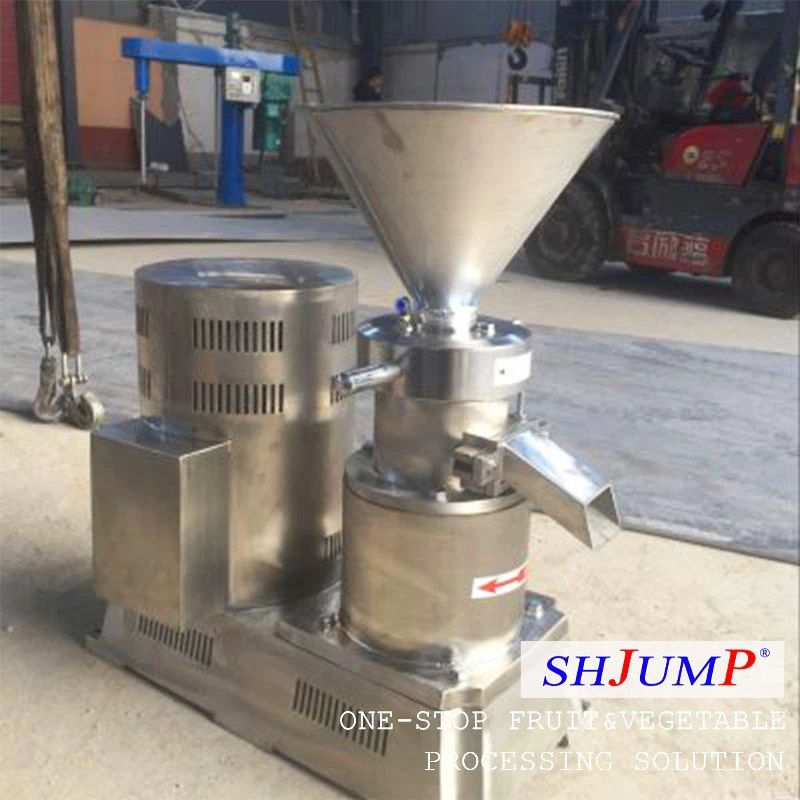

For example, if you're trying to homogenize a thick paste or a sample with a lot of fibrous material, you might run into issues. The homogenizer may struggle to process these samples, and you may end up with inconsistent results. In some cases, you may need to pre - process the samples to make them more suitable for high - pressure homogenization, which adds an extra step to the process.
5. Limited Throughput
High - pressure Homogenizers often have a limited throughput. This means that they can only process a certain amount of sample per unit of time. If you have a large - scale production operation, this can be a bottleneck. You may need to run the machine for longer periods or use multiple homogenizers to meet your production requirements, which increases the cost and complexity of the process.
Let's say you're a juice manufacturer. You need to process a large volume of juice every day. If your High - pressure Homogenizer has a low throughput, you may not be able to keep up with the demand. This can lead to delays in production and lost opportunities.
6. Foaming and Aeration
During the high - pressure homogenization process, foaming and aeration can occur. This is especially true for samples that contain proteins or other surface - active agents. Foaming can cause problems in the production process, such as overflowing of the sample, inaccurate measurement, and reduced product quality.
Aeration can also have a negative impact on the product. For example, in the food industry, aeration can lead to oxidation of the product, which can affect its flavor, color, and shelf life. To deal with foaming and aeration, additional equipment may be required, such as a Juice Vacuum Degasser, which adds to the cost and complexity of the process.
7. Temperature Increase
The high - pressure homogenization process can cause a significant increase in the temperature of the sample. This is due to the conversion of mechanical energy into heat. In some cases, the temperature increase can be so high that it can damage heat - sensitive components in the sample.
For example, in the pharmaceutical industry, many drugs are heat - sensitive. If the temperature of the sample rises too much during homogenization, it can degrade the drug and reduce its effectiveness. To prevent this, cooling systems may need to be installed, which again adds to the cost and complexity of the process.
Conclusion
Despite these limitations, High - pressure Homogenizers are still incredibly useful machines. They play a crucial role in many industries, and the benefits they offer often outweigh the drawbacks. At our company, we're constantly working on improving our High - pressure Homogenizer to address these limitations. We're exploring new technologies to reduce energy consumption, improve particle size reduction, and increase throughput.
If you're in the market for a High - pressure Homogenizer or have any questions about our products, we'd love to hear from you. We can help you find the right solution for your specific needs and discuss how we can work together to overcome the limitations associated with these machines. Whether you're a small startup or a large corporation, we're here to support you in your production process.
References
- McClements, D. J. (2015). Food Emulsions: Principles, Practice, and Techniques. CRC Press.
- Walstra, P., Wouters, J. T. M., & Geurts, T. J. (2006). Dairy Science and Technology. CRC Press.
- Singh, H., & McCarthy, D. A. (Eds.). (2001). Advanced Dairy Chemistry: Volume 1: Proteins. Kluwer Academic/Plenum Publishers.