

What are the environmental requirements for using a linear filling machine?
Jul 21, 2026
Hey there! As a supplier of Linear Filling Machines, I often get asked about the environmental requirements for using these machines. Well, let's dive right into it and explore what you need to know to ensure your linear filling machine operates in an environmentally friendly way.
Temperature and Humidity
First off, temperature and humidity play a crucial role in the proper functioning of a linear filling machine. Most linear filling machines are designed to operate within a specific temperature range, usually between 10°C and 35°C (50°F and 95°F). Extreme temperatures can cause issues with the machine's components, such as the pumps, valves, and sensors. For example, if it's too hot, the viscosity of the liquid being filled may change, leading to inaccurate filling volumes. On the other hand, if it's too cold, the liquid may become too thick, causing the machine to work harder and potentially leading to mechanical failures.
Humidity also matters. High humidity can lead to condensation inside the machine, which can damage electrical components and cause corrosion. A relative humidity level between 30% and 70% is generally recommended. You can use a dehumidifier or a humidifier to maintain the right humidity level in the area where the machine is located.
Air Quality
The air quality in the operating environment is another important factor. Linear filling machines are often used in food, beverage, and pharmaceutical industries, where product purity is of utmost importance. Dust, dirt, and other airborne particles can contaminate the products being filled, leading to quality issues and potential health risks.
To ensure good air quality, it's recommended to have a cleanroom or a controlled environment where the linear filling machine is installed. This can be achieved by using air filters, ventilation systems, and regular cleaning. HEPA (High-Efficiency Particulate Air) filters are commonly used to remove particles as small as 0.3 microns from the air.
Noise and Vibration
Linear filling machines can generate noise and vibration during operation. Excessive noise can be a nuisance to workers and may even cause hearing damage over time. Vibration can also affect the accuracy of the filling process and cause wear and tear on the machine's components.
To reduce noise, you can use soundproof enclosures or install the machine on a vibration-dampening platform. Regular maintenance and lubrication of the machine's moving parts can also help reduce noise and vibration.
Power Supply
A stable power supply is essential for the proper operation of a linear filling machine. Fluctuations in voltage or power outages can cause the machine to malfunction or damage its components. It's recommended to use a voltage stabilizer or an uninterruptible power supply (UPS) to ensure a consistent power supply.
Waste Management
When using a linear filling machine, it's important to consider waste management. The machine may generate waste in the form of packaging materials, excess product, and cleaning solutions. Proper waste management practices can help reduce the environmental impact and ensure compliance with regulations.
Recycling is a great way to reduce waste. You can recycle packaging materials such as plastic bottles, cans, and cardboard boxes. Excess product can be reused or disposed of properly. Cleaning solutions should be used in a responsible manner and disposed of according to local regulations.
Compatibility with Different Liquids
Linear filling machines are designed to handle a wide range of liquids, including water, juices, oils, and chemicals. However, different liquids have different properties, such as viscosity, density, and corrosiveness. It's important to ensure that the machine is compatible with the liquid being filled to avoid issues such as clogging, leakage, and corrosion.
Before using the machine with a new liquid, it's recommended to conduct a compatibility test. This can involve running a small amount of the liquid through the machine and checking for any signs of damage or malfunction.
Maintenance and Cleaning
Regular maintenance and cleaning are essential for the proper operation and longevity of a linear filling machine. Maintenance tasks may include lubricating the machine's moving parts, checking the alignment of the filling nozzles, and replacing worn-out components.
Cleaning is also important to prevent the buildup of dirt, bacteria, and other contaminants. The machine should be cleaned after each use or at regular intervals, depending on the type of product being filled. You can use a variety of cleaning agents, such as water, detergents, and disinfectants, to clean the machine.
Comparison with Other Filling Machines
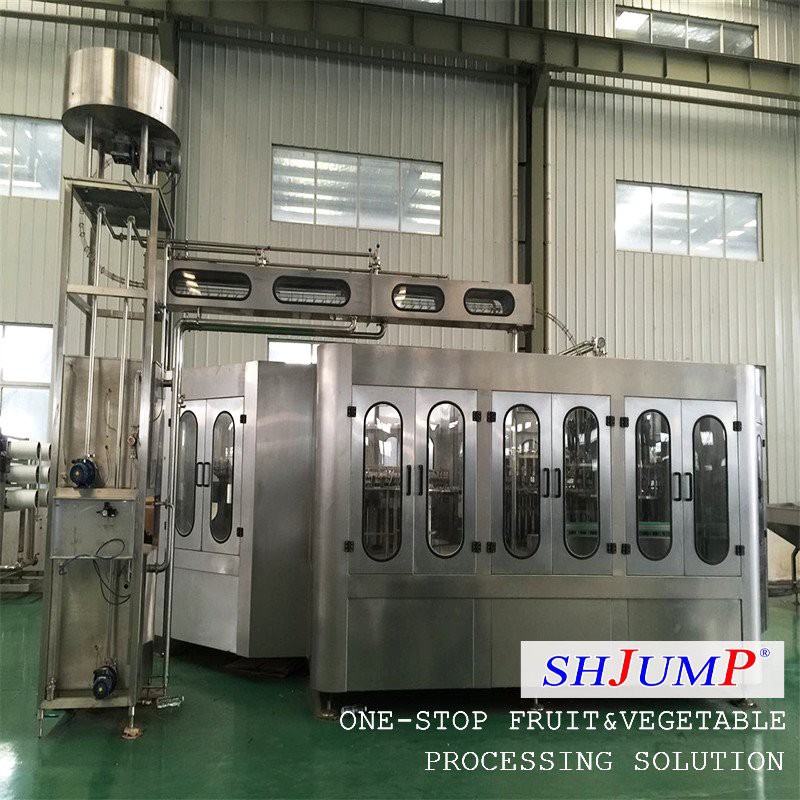
There are other types of filling machines available in the market, such as Rotary Filling Machine and Juice Aseptic Filling Machine. Each type of machine has its own advantages and disadvantages, and the choice of machine depends on the specific requirements of your application.
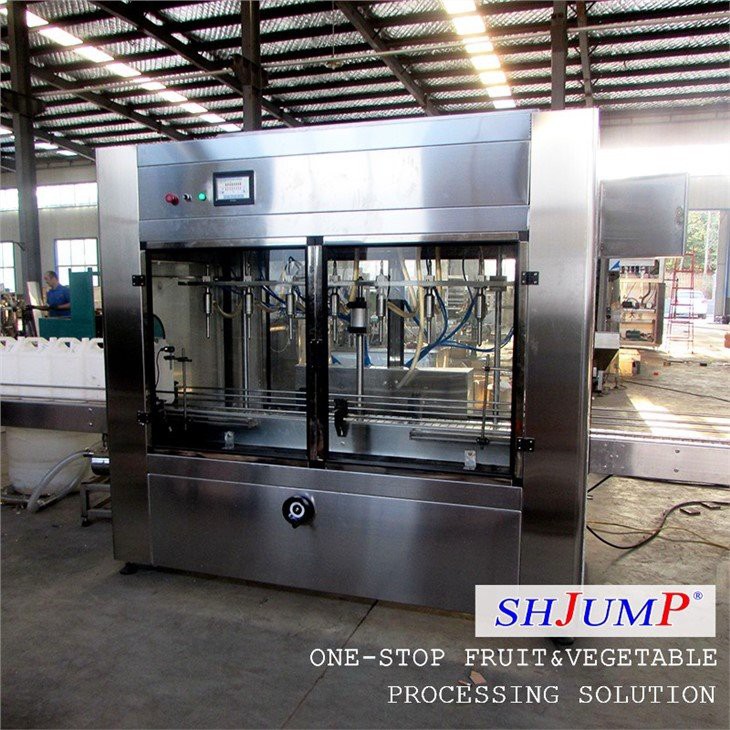
Linear filling machines are generally more suitable for small to medium-scale production, as they are relatively simple to operate and maintain. They are also more flexible in terms of the types of containers and liquids they can handle. Rotary filling machines, on the other hand, are more suitable for high-speed production, as they can fill a large number of containers in a short period of time. Juice aseptic filling machines are specifically designed for filling juices and other liquid products in a sterile environment, which helps to extend the shelf life of the products.
Conclusion
In conclusion, using a linear filling machine requires careful consideration of the environmental requirements. By maintaining the right temperature, humidity, air quality, and power supply, and by implementing proper waste management and maintenance practices, you can ensure that your machine operates efficiently and effectively while minimizing its environmental impact.
If you're interested in purchasing a Linear Filling Machine, feel free to contact us for more information. We're here to help you find the right machine for your needs and provide you with the support and service you deserve.
References
- Food and Drug Administration (FDA). Good Manufacturing Practices (GMP) for Food.
- Occupational Safety and Health Administration (OSHA). Noise and Vibration Standards.
- Environmental Protection Agency (EPA). Waste Management Regulations.