


As a Chinese fruit processing line manufacturer, SHJUMP has focused on food and beverage processing lines for more than 40 years and always adheres to the principle of high-quality products. We not only have a strict quality management system to ensure that each product meets international standards, but we will also based on the different needs of customers, We provide a full range of customized services, including production line planning consultation, equipment selection suggestions, installation guidance and after-sales technical support. You can learn more about our products and services by delving into our successful case projects below. If you have any questions, please feel free to contact us.
-
![Date Syrup Processing Line]() Add to Inquiry
Add to Inquiry -
![Canned Tomato Processing Line]() Add to Inquiry
Add to Inquiry -
![Coconut Juice Processing Line]() Add to Inquiry
Add to Inquiry -
![Aloe Vera Processing Line]() Add to Inquiry
Add to Inquiry -
![Pomegranate Juice Processing Line]()
Pomegranate Juice Processing Line
Add to Inquiry -
![NFC Orange Juice Processing Line]()
NFC Orange Juice Processing Line
Add to Inquiry -
![Apple Clear Juice Production Line]()
Apple Clear Juice Production Line
Add to Inquiry -
![Guava Sauce Processing Line Machine]()
Guava Sauce Processing Line Machine
Add to Inquiry -
![Mulberry Juice Production Line]()
Mulberry Juice Production Line
Add to Inquiry -
![Canned Bean Production Line]() Add to Inquiry
Add to Inquiry -
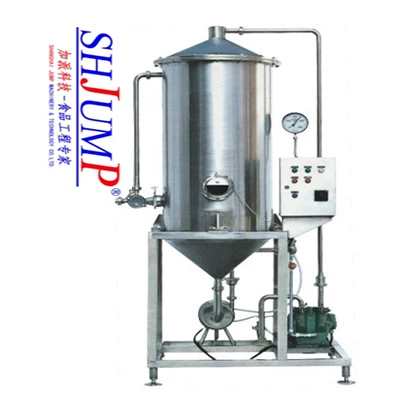
![Vacuum Degasser For Juice And Drinks]()
Vacuum Degasser For Juice And Drinks
Add to Inquiry -
![Dried Apricot Processing Production Line]()
Dried Apricot Processing Production Line
Add to Inquiry


What is fruit processing line ?
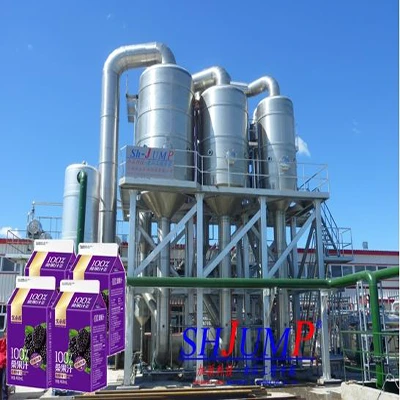
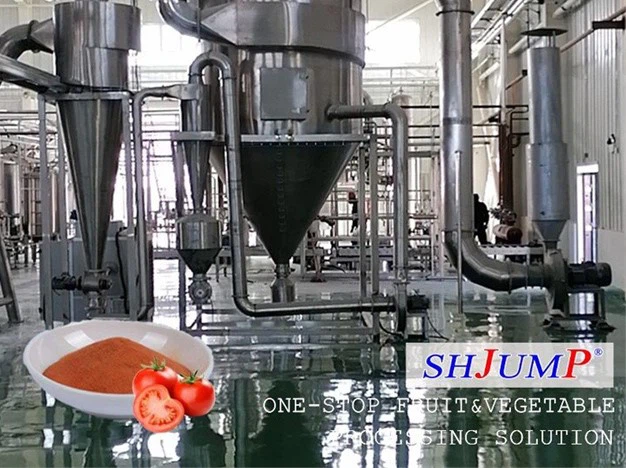
The fruit processing line is an integrated food processing system primarily designed for a series of preliminary treatment processes, including washing, sorting, cutting, crushing, peeling, pitting, and pulping of fruits. Following these initial steps, the system employs various processing techniques such as vacuum concentration and ultra-high temperature sterilization, ultimately achieving aseptic filling of large quantities of concentrated sauces or juices. This production line is extensively utilized in the manufacturing sector of fruit-based products, such as juices, jams, and canned goods, significantly enhancing the efficiency of fruit processing and the quality of the final products.
What are advantages of our fruit processing line ?
Efficiency
Fruit processing line is designed with a high degree of automation, enabling it to autonomously execute multiple stages, including washing, peeling, slicing, sorting, and packaging. This significantly enhances production efficiency. The automated process not only minimizes the need for manual intervention but also reduces the likelihood of human error, thereby ensuring the stability and consistency of product quality.
Precision
Fruit processing line is equipped with advanced sensors and control systems that facilitate precise management of the manufacturing process. This includes monitoring variables such as temperature, humidity, and cutting dimensions, ensuring that each parameter adheres to established standards. Such high-precision processing capabilities guarantee product consistency and superior quality.
Security
Food safety is one of our primary areas of concern. Our processing lines are meticulously designed in accordance with international food safety standards, utilizing food-grade materials and seamless designs to ensure a clean and hygienic processing environment. Additionally, advanced sterilization and disinfection technologies further enhance product safety, providing consumers with peace of mind when enjoying our offerings.
Flexibility
Our production line is designed with a high degree of versatility, capable of processing a wide range of fruit types, including both soft fruits such as strawberries and hard fruits like apples. Furthermore, the modular design of the production line facilitates easy adjustments to configurations, allowing for adaptation to varying processing requirements and fluctuations in output, thereby offering maximum flexibility.
Types of fruit processing line
Jam Processing Line
This type of fruit processing line is an automated production line used to produce jam. Such lines typically include multiple steps, such as washing, peeling, cutting, heating, blending, sterilizing, filling, etc., to transform fruits into commercial jam products.
Juice Processing Line
This type of fruit processing line is that puts fresh fruits or vegetables through a series of mechanical processing to finally make juice or vegetable juice. It covers a wide range of processes from raw material preparation, cleaning, peeling, slicing, juicing, filtering, sterilizing, cooling to canning, etc.
Fruit Powder Processing Line
This type of fruit processing line is an industrialized production facility that converts fresh fruit into a powdered product. This production line usually consists of several stages such as washing, grading, peeling, coring, cutting, drying, grinding, sieving, mixing, packaging, etc.
Fruit Puree Processing Line
Fruit puree processing line refers to the professional production line that transforms fresh fruits into fruit puree form through a series of processing techniques. This process usually includes washing, peeling, nucleating, cutting, pulping, sterilizing, concentrating, filling and so on. As a common food processing product, fruit puree is widely used in baby food, fruit juice, baking and other fields.
Dried Fruit Processing Line
Dried fruit processing line is a general term for a series of equipment and processes that process fresh fruits or vegetables into dried goods. These lines usually include washing, peeling, slicing, drying, packaging, etc., and are designed to maximize the retention of nutrients and flavor of the raw materials, while extending the shelf life of the goods.
Fruit Canning Processing Line
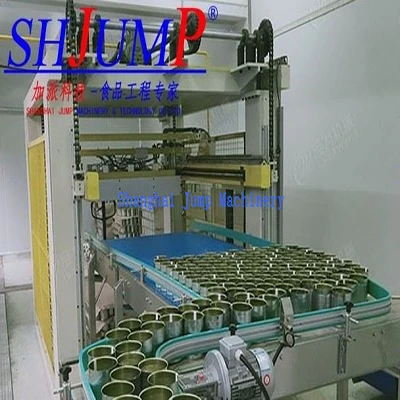
This type of fruit processing line refers to the assembly line in which fresh fruits are processed through a series of techniques, finally canned and sealed and sterilized at high temperature. It includes raw material selection, cleaning, peeling, cutting, preheating, canning, sealing, sterilizing and so on, aiming at retaining the original nutrition and flavor of fruits.
How to maintain fruit processing line ?
Regular Maintenance and Inspection
Establish a regular maintenance schedule for all equipment, including cleaning, lubrication, and adjustments as necessary. This schedule should be based on manufacturer recommendations and actual usage patterns.
Monitoring and Quality Control
Production Monitoring:Real-time Monitoring: Use sensors and automated systems to monitor production parameters such as temperature, pressure, and flow rates. This helps identify potential issues in real-time.
Data Analysis: Analyze production data regularly to identify trends, optimize processes, and prevent quality issues.
Quality Control:Sampling and Testing: Implement a robust sampling and testing program to ensure that products meet quality standards. This includes testing for physical characteristics, flavor, and microbiological contamination.
Record Keeping: Maintain detailed records of all quality control activities, including test results, corrective actions, and any deviations from standard procedures.
Troubleshooting and Problem-Solving
Incident Reporting: Establish a clear incident reporting system to ensure that any problems or issues are reported promptly.
Rapid Response: Respond quickly to incidents to minimize downtime and prevent further issues.
Environmental Control
Maintain appropriate temperature and humidity levels in processing areas to ensure product quality and safety.
Components of fruit processing line
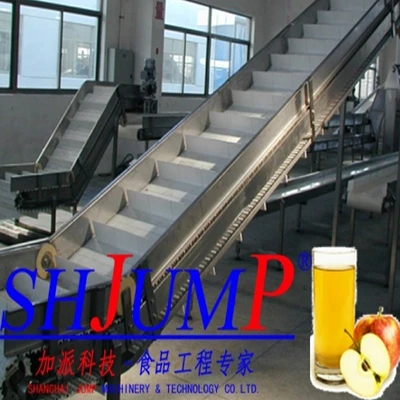
Bucket Elevator
1. Smooth bucket structure against clamping fruits, suitable for tomato, strawberry, apple, pear, apricot, etc.
2. Running stably with low noise, speed adjustable by transducer.
3. Anticorrosive bearings, double sides seal.
Washing Machine
1. Used to wash fresh tomato, strawberry, mango, etc.
2. Special design of surfing and bubbling to ensure a through cleaning and lessening the damage to the fruit as well.
3. Suitable for many kinds of fruit or vegetables, such as tomatoes, strawberry, apple, mango, etc.
Sorting Machine
To select the defective fruit out and put them into the middle conveyor, then go to the waste conveyor. Smooth roller conveying make the fruit rotate along with the forwarding, which will generally avoid the choose negligence
Crushing Machine
Used to crush the fruits into pieces and for further pulping
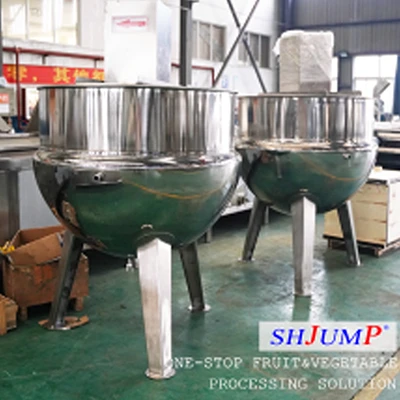
Pre-heater and enzyme deactivation machine
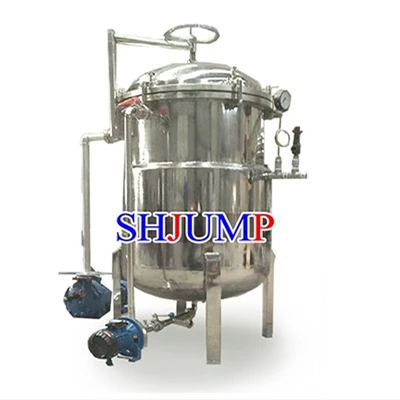
Used for deactivating enzyme and pasteurizing of crushed products and softening the fibers and to get consequently the maximum juice yield.., Adjustable temperature control and automatic return flow function.
Juice Extractor
1. Widely used in extracting and dehydrating of many kinds of acinus, pip fruits, and vegetables.
2. the unit adopt advanced technology, big press and high efficiency, high degree of automatic, easy to operate and maintains.
3. the extraction rate can be get 75-85%(based on raw material)
4. low investment and high efficiency
Sterilizing Machine
1. The united is consisted of product receiving tank, superheated water tank, pumps, product dual filter, tubular superheated water generate system, tube in tube heat exchanger, PLC control system, Control cabinet, steam inle system, valves and sensors, Wha etc.
2. Incorporated Italian technology and conform to Euro-standard
3. Great heat exchange area, low energy consumption and easy maintenance
4. Adopt mirror welding tech and keep the smooth pipe joint
5. Auto backtrack if not enough sterilization
6. CIP and auto SIP available together with aseptic filler
7. Liquid level and temp controlled on real time
Aseptic Filling Machine
1. Applicable to aluminum foil (Bag-in-drum& Bag-in-box) compound aseptic bag from 5L-22OL.
2. Consisted of aseptic filling head, accurate electronic balance, PLC control system, steam barrier and protection system, operation platform
3. Keep the filling chamber sterilized all the time by steam protection.
4. Full auto SIP and CIP available
FAQ
Q: What does fruit processing mean?
Q: What is the method of processing fruits?
Q: What are the basic processing technology of fruits and vegetables?
Q: What is the basic process of a fruit processing line?
Q: How is the equipment and environment on the production line cleaned and sanitized?
Q: How are fruits selected and sorted?
Q: How are the cleaning and disinfection steps carried out?
Q: How are preprocessing tasks like peeling and pitting automated?
Q: What is the production process for fruit juices and jams?
Q: How is quality control implemented on the production line?
Q: How are packaging and labeling processes carried out?
Q: What are the energy efficiency and environmental measures on the production line?
Q: What are the roles of automation and manual labor on the production line?
Q: What strategies are used to manage seasonal fruit supply fluctuations?
How To Cooperate With Us ?
Customer service inquiries
Determine line capacity
Determine specification details and detailed equipment
Preparation of quotation
Production and processing
Quality inspection
Product packaging
Delivery of goods.
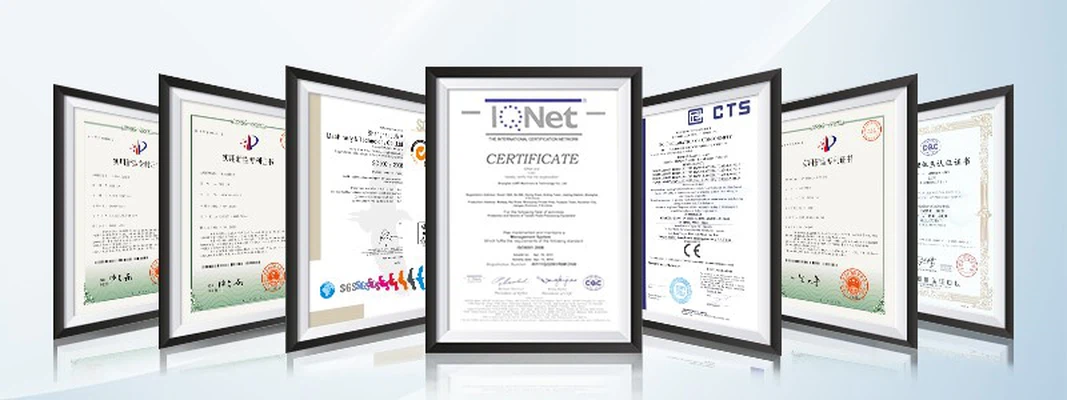
Certificate

our factory

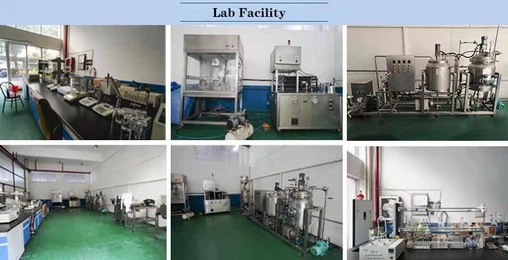
company's facility


Customer case
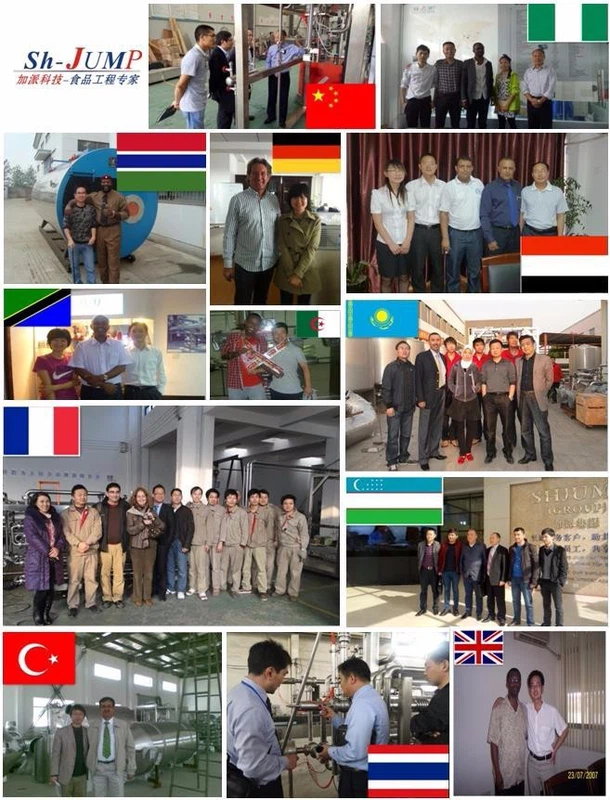
Shanghai Jump Machinery & Technology Co., Ltd. is one of the most professional fruit processing line manufacturers and suppliers in China, featured by good service and competitive price. Please rest assured to buy high quality fruit processing line for sale here from our factory.
chili suace processing line, chili powder processing line, hot sauce making machine