Fruit and Vegetable Processing Solutions
Integrated lines - from raw material intake to aseptic packaging
Not getting the yield you expected from your fruit? Our lines are configured around your raw material, not around a catalogue. SHJUMP supplies complete fruit and vegetable processing systems - receiving, washing, sorting, crushing, pulping, extraction, concentration, sterilization and filling - from 0.5 to 150 tonnes per hour. One supplier, 15 process stages, 109 turnkey projects installed in 32 countries.
We Have Built and Operated Our Own Tomato Paste Plant
Most equipment suppliers have seen a factory. We have run one. In Xinjiang, at the 141 regiment, SHJUMP designed, built and operated a tomato paste plant handling 2,000 tonnes
of fresh tomatoes per day - and we stayed for the part that actually decides whether a plant makes money: the growing season.
2,000 t/day fresh t/258ikm8|omato intake · Designed, built and operated by SHJUMP
That plant taught us things that canot be learned from a catalogue
- Variety selection, breeding and seedling: Which tomato varieties give the Brix and colour the market pays for, how they are raised, and when they must be transplanted so the harvest window matches the plant's capacity.
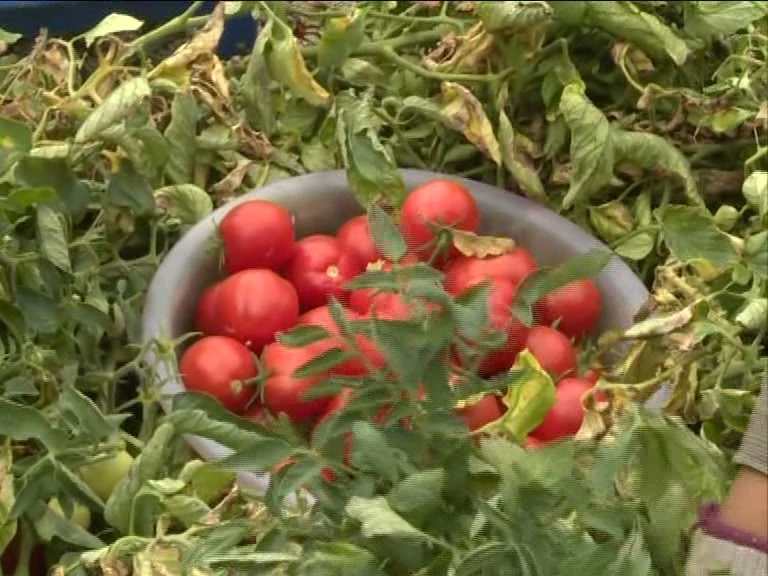
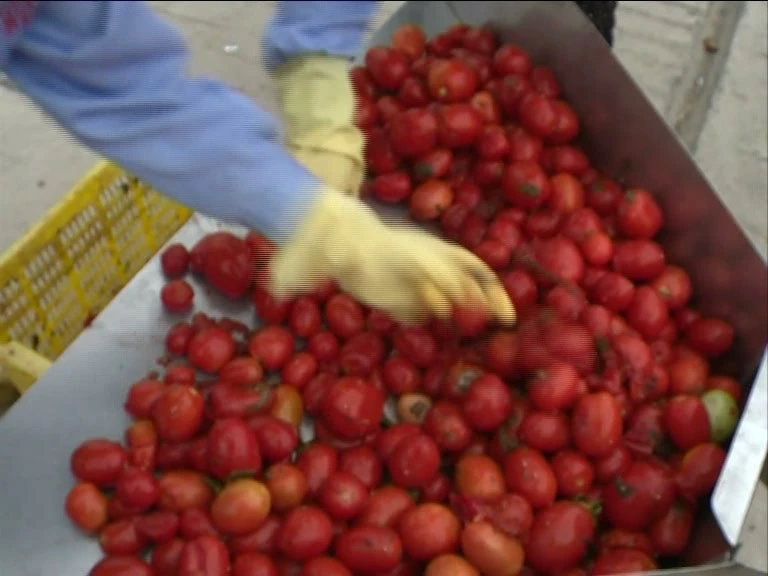
- Raw material harvesting and logistics: Harvest scheduling, crate and truck logistics back to the receiving pit, and the daily race between field ripening and line throughput.
- Production and process control: Hot-break temperature, evaporation stage, Brix and consistency control, and the losses that only show up in a full-season yield report.
- Workforce and shift organisation: Seasonal labour at peak, shift patterns across a 20-hour day, and the training that keeps quality stable when the crew changes.
- Wastewater and environmental control: Washing water, peel and seed residue, COD load and treatment capacity - the part of a tomato plant that stops production first if it is undersized.
- Maintenance and spare parts: Wear parts, seals and screens under continuous operation, and the spare-part list that keeps a 60-day season from stopping.
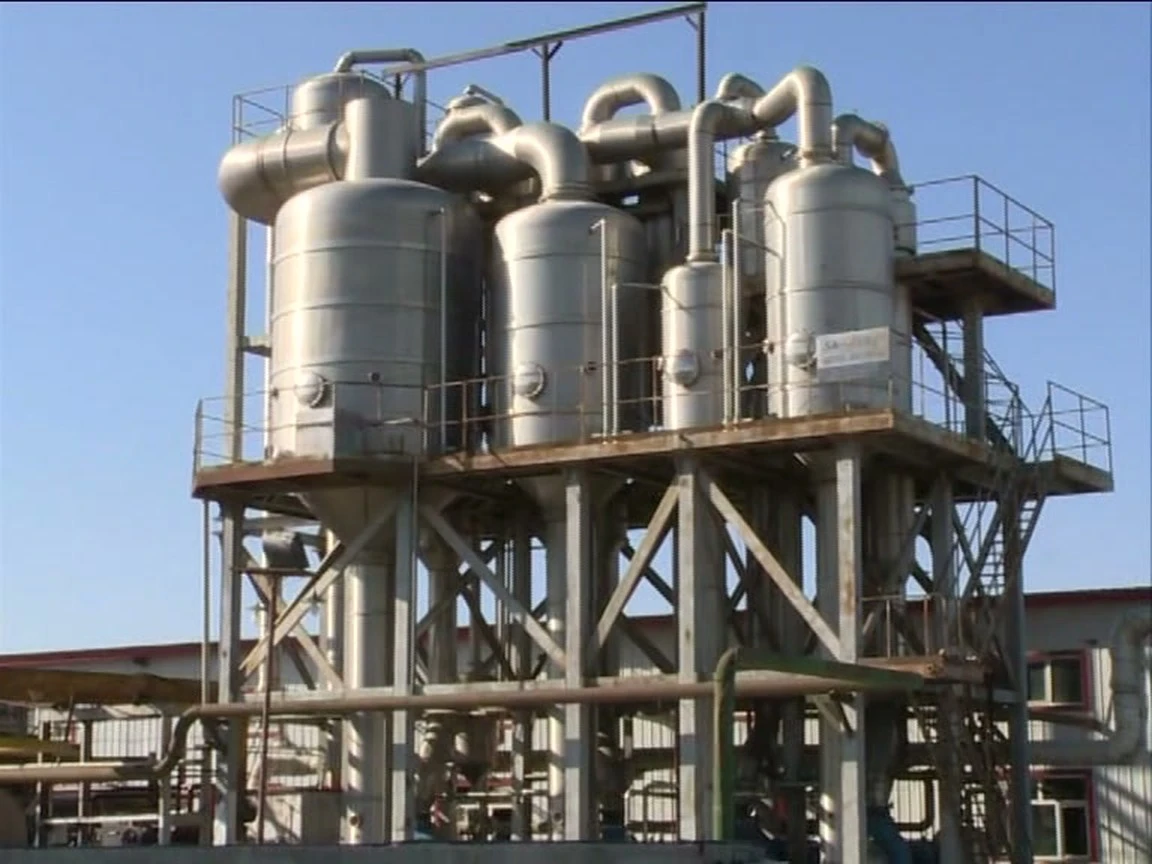
This is why our proposals include harvest windows, labour plans, water balance and waste treatment - not only a machine list. When we size your line, we size it for the season you will actually run.
Industry Challenges
Raw Material Is Never the Same Twice
Brix, acidity, maturity, fibre and stone-to-pulp ratio shift with origin, season and even the week of harvest. A line tuned for one batch loses yield on the next one.
Yield Disappears in the Details
Every percent of pulp left in peel, seed or pomace is revenue. Most of the loss hides in destoning, refining and evaporation - not in the main press that everybody compares prices on.
One Line, One Product
A line that only makes one SKU cannot follow the market. Moving from clear juice to cloudy puree, or from 5 to 12 tonnes per hour, usually means buying new equipment instead of adjusting the existing one.
Pilot Success Is Not Production Success
A machine that works in a laboratory often cannot hold capacity, temperature or hygiene across 20 hours a day, 300 days a year - and the gap only appears after installation.
Heat and Time Decide Quality
Over-processing costs colour, aroma and vitamin C. Under-processing costs shelf life. The window is narrow, and it is set by the sterilization and filling system, not by the pulper.
Wonderbyte Products
-
Material-First Process Design
We start with your fruit: Brix, acidity, pectin, stone size, fibre content. Then we size the crusher, the destoner, the refiner screen and the evaporation stage around it - so the line is built for the material you actually harvest, not for an average fruit that does not exist.
-
Recovery Built Into the Flow
Two-stage pulping, adjustable refiner screens, enzymatic treatment and decanter clarification are selected per product. Yield is designed into the process route, instead of being argued about after the first season.
-
Aseptic From Pilot to Plant
The same sterilization and aseptic filling logic runs from a 0.5 t/h pilot skid to a 20 t/h production line: tubular or plate heat treatment, deaeration, then bag-in-drum filling - with 9 to 12 months ambient shelf life.
-
Single-Supplier Integration
15 process stages and 16 equipment categories under one engineering team. There is no interface gap between the pulper supplier and the sterilizer supplier, and no argument about who is responsible for the ramp-up.
-
Skid-Based, Faster to Start
Skids are pre-piped, pre-wired and tested before shipment. Site work becomes connection and commissioning instead of fabrication - which is usually where schedules slip and budgets grow.
-
Serviceable by Your Own Team
304/316L construction, standard industrial components, video-guided maintenance and a one-year spare-part kit. A worn seal or a failed valve does not wait for an engineer to fly in.
Recommended Configurations
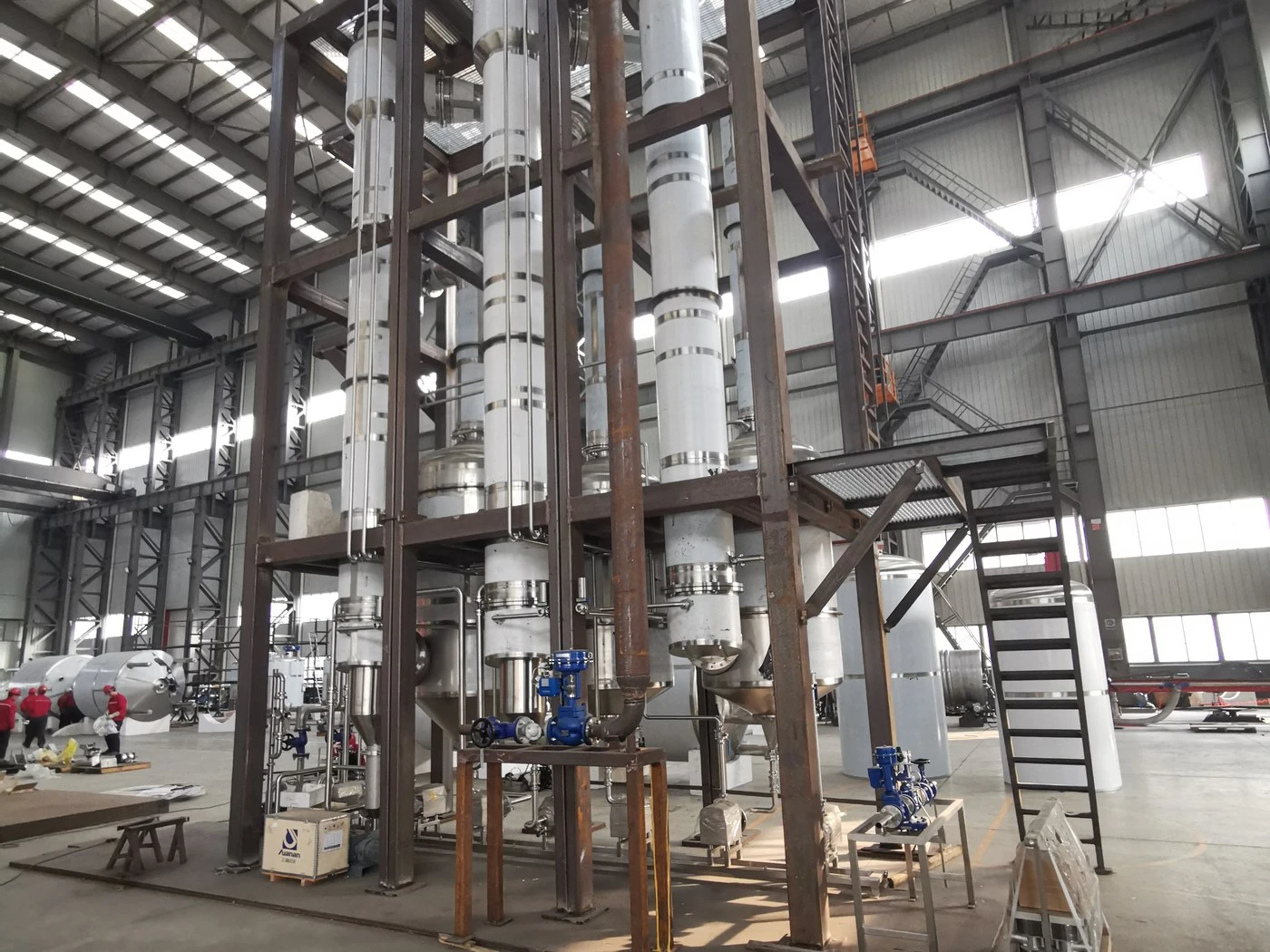
The configurations below cover most of the projects we build. Each one can be adapted to your raw material, your product specification and your site conditions.
| Pilot Skid | 0.5–1 t/h on a single frame |
| Regional Line | 3–5 t/h across two to three modular skids |
| Industrial Line | 10–20 t/h with mezzanine, CIP and full automation |
| Bulk Plant | 50–150 t/h multi-line turnkey plant |
| Clear Juice Version | Pressing, enzymatic clarification, filtration and deaeration |
| Puree Version | Destoning, pulping and refining with adjustable screens |
| Concentrate Version | Multi-effect evaporation with aroma recovery, from 12 Brix to 65–70 Brix at low residence time. |
| Aseptic Version | Tubular or plate sterilization with single or double-head aseptic filling into bag-in-drum. |
Why Choose SHJUMP?
Advantages of Our Products
Processing Solutions for Different Fruits and Vegetables
Start from what you harvest. Each route below is a proven process configuration; capacity, automation and packaging are then set per project.
Tomato & Tomato Products


Apple, Pear & Pome Fruit
Peach, Plum & Stone Fruit


Citrus & Kumquat
Chili, Pepper & Vegetables


Banana & Tropical Fruit
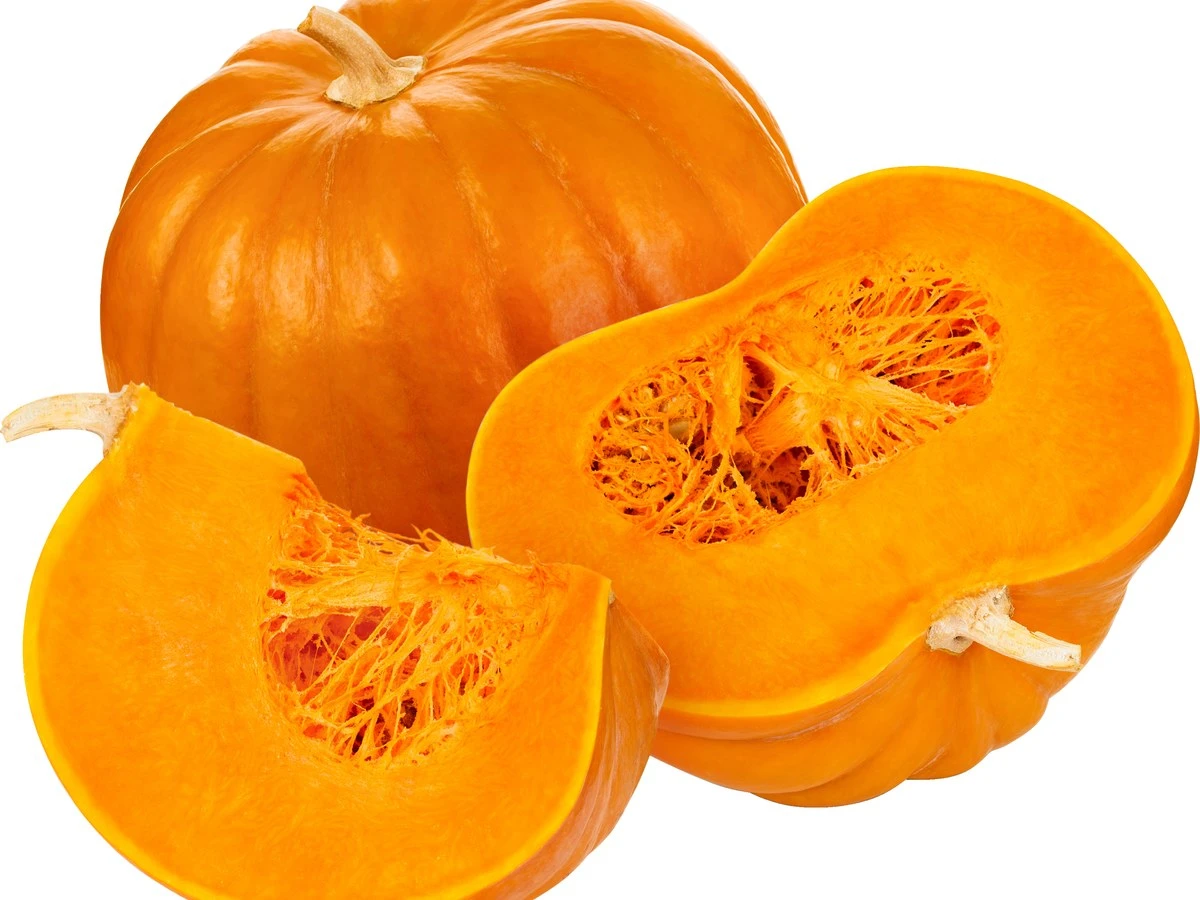
Pumpkin, Squash & Root Crops
What Products Can You Produce?
If you already know the product, start here. The same raw material can leave the plant as six different products - and the process route changes with each one.


From Raw Material to Finished Product
A typical fruit processing workflow. Different raw materials need different pre-treatment; different products need different downstream technology; capacity and product specification decide the equipment combination.
01 Receiving & Inspection - weighing, sampling, Brix and acidity
02 Washing & Sorting - bubble washing, brush rollers, colour sorting
03 Peeling, Destoning & Pre-treatment - steam, lye or mechanical
04 Crushing & Extraction - hammer mill, disc crusher, belt press
05 Pulping & Refining - screen size sets texture and yield
06 Clarification & Filtration - enzyme, decanter, ultrafiltration
07 Evaporation & Concentration - multi-effect, aroma recovery
08 Deaeration, Homogenization & Sterilization - tubular, plate or UHT
09 Aseptic Filling & Packaging - bag-in-drum, tin, jar, pouch
Stages 6 to 9 are optional depending on the product: clear juice needs clarification, puree does not; concentrate needs evaporation, NFC does not. The route is fixed at the design stage - not after installation.

From Project Planning to Production
You are not buying a machine. You are buying a system that has to reach rated capacity, with your material, on your site.
-
1

Project Consultation
Raw material, target product, capacity, site conditions and budget, turned into a process route and an equipment list.
-
2

Feasibility & Testing
Yield, Brix and texture verified on your material where required, before the line configuration is fixed.
-
3

Process & Layout Design
P&ID, utility consumption, layout and automation architecture, issued for your approval.
-
4

Manufacturing & FAT
Fabrication in 304/316L, assembly and factory acceptance test before shipment.
-
5

Installation & Commissioning
Supervision, alignment, CIP and sterilization cycles, trial runs up to rated capacity.
-
6

Training & After-Sales
Operator training, maintenance routines, spare-part kits and remote troubleshooting.
Fruit and Vegetable Processing Projects
Six installations, chosen because each one is a different business: a puree exporter, a tomato processor, a date producer, a botanical extractor, a spirits group and a global beverage chain.
-
by Ronald Chen | Feb 27,2023 at 5:47 pm
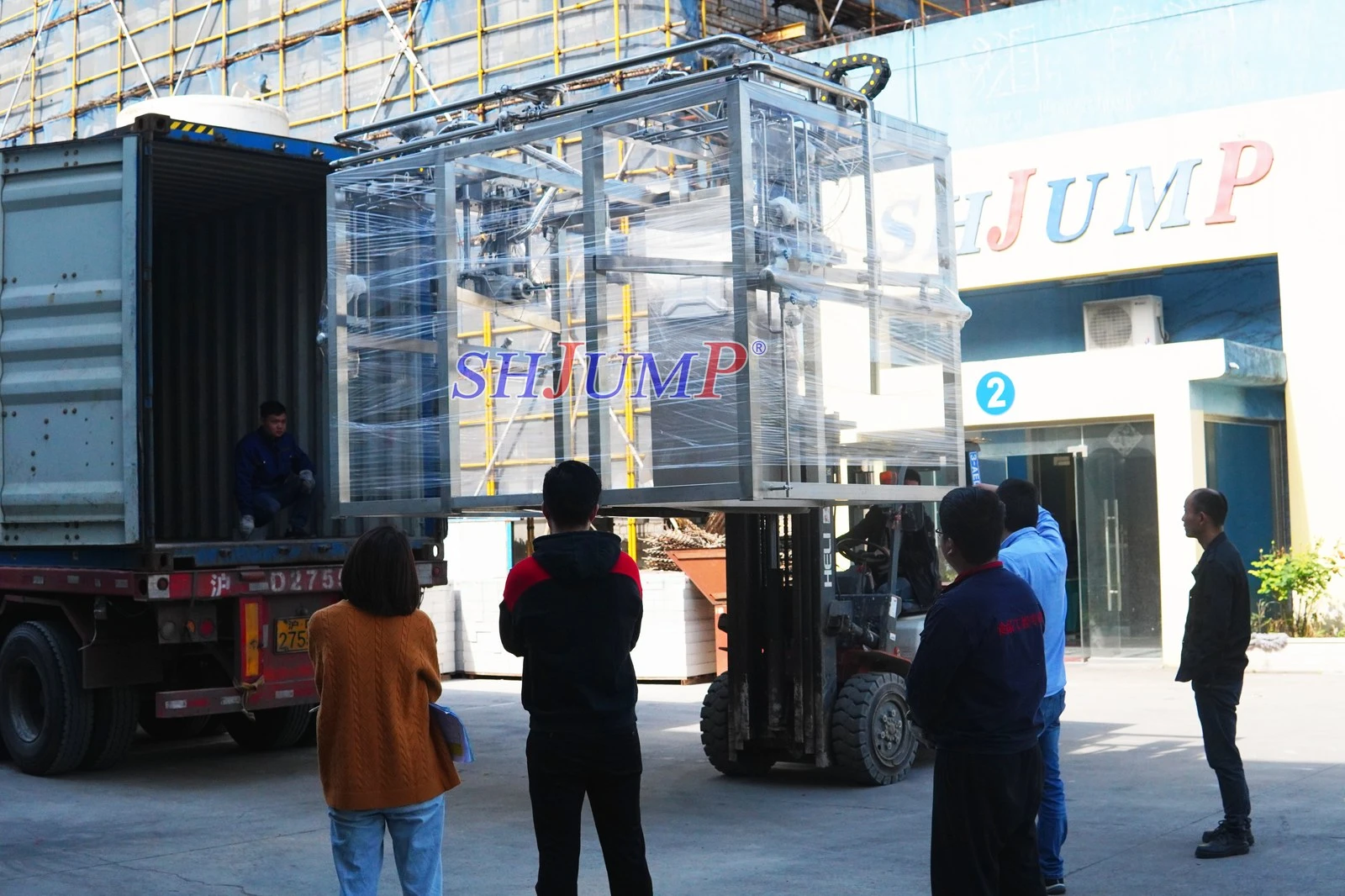
UGANDAMango puree line
Fresh mango · aseptic mango puree · washing, sorting, destoning, pulping, refining, sterilization and aseptic filling · 2021
-
by Ronald Chen | Feb 27,2023 at 5:47 pm
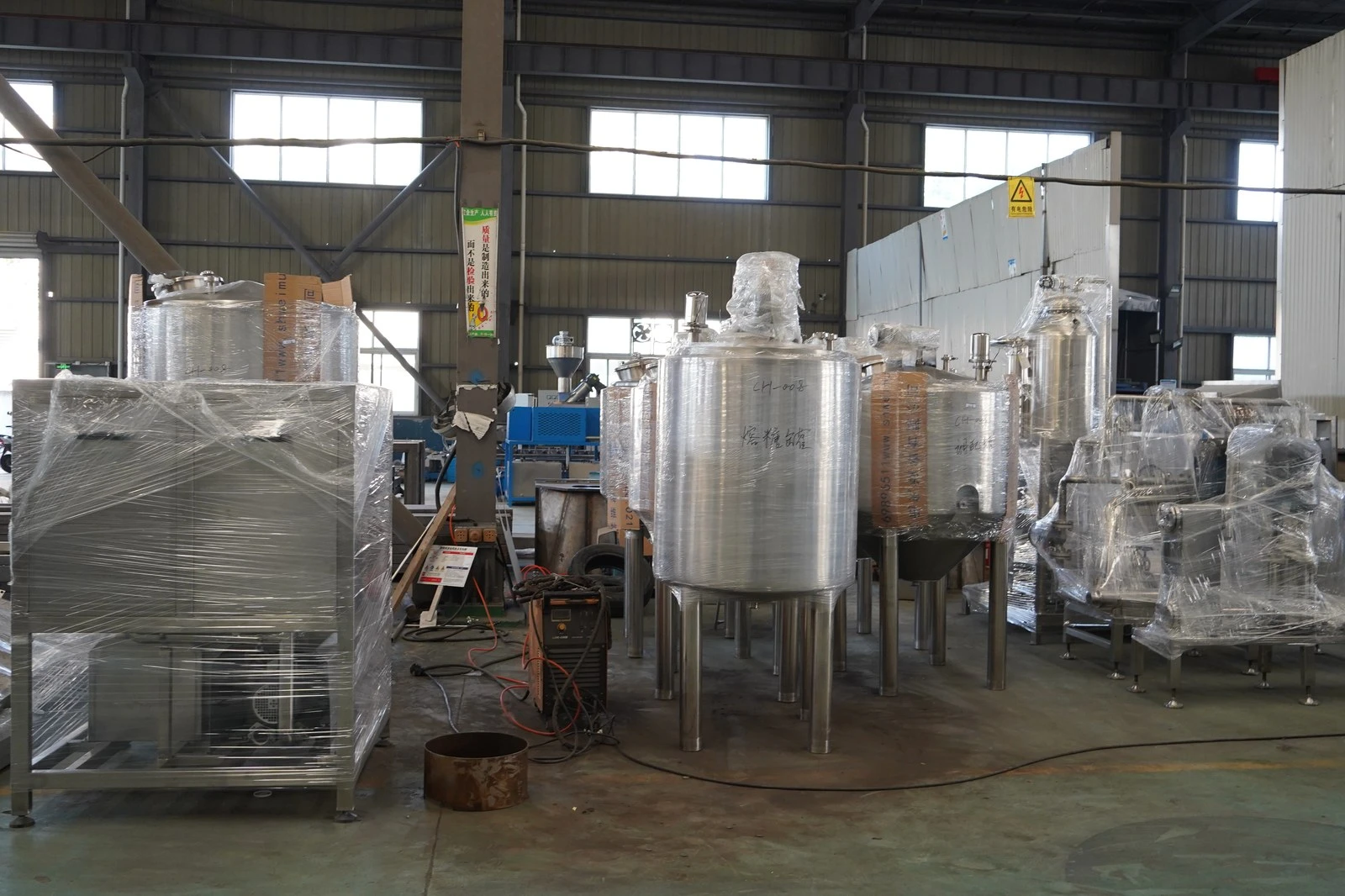
ALGERIATomato paste & blending line
Fresh tomato · tomato paste and sauces · receiving, washing, sorting, crushing, pulping, evaporation, blending and filling · 2020
-
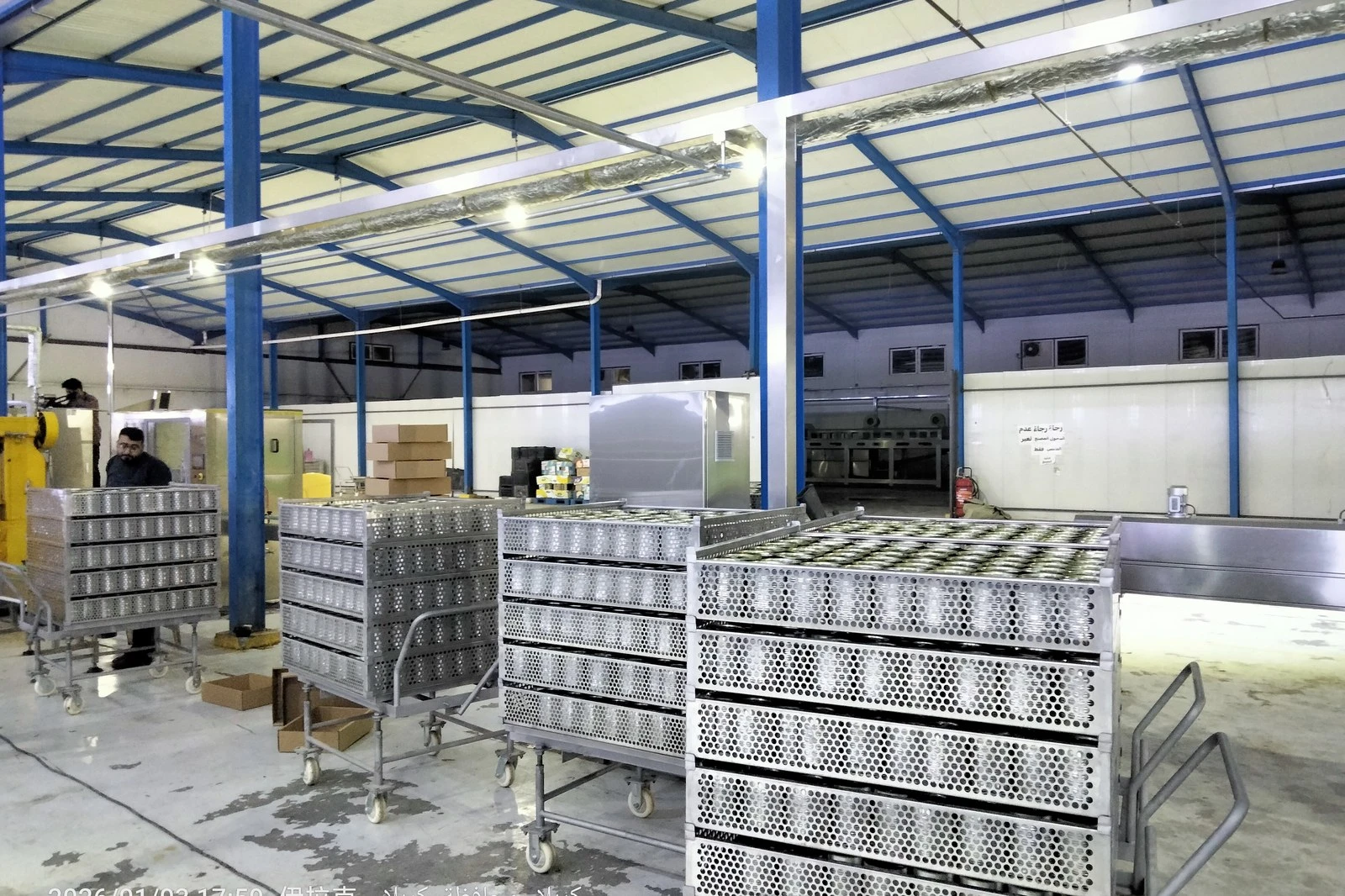
by Ronald Chen | Feb 27,2023 at 5:47 pm
IRAQDate paste & jam plant
Fresh date · date paste, jam and filling · receiving, washing, destoning, pulping, cooking and packaging · 2025
-
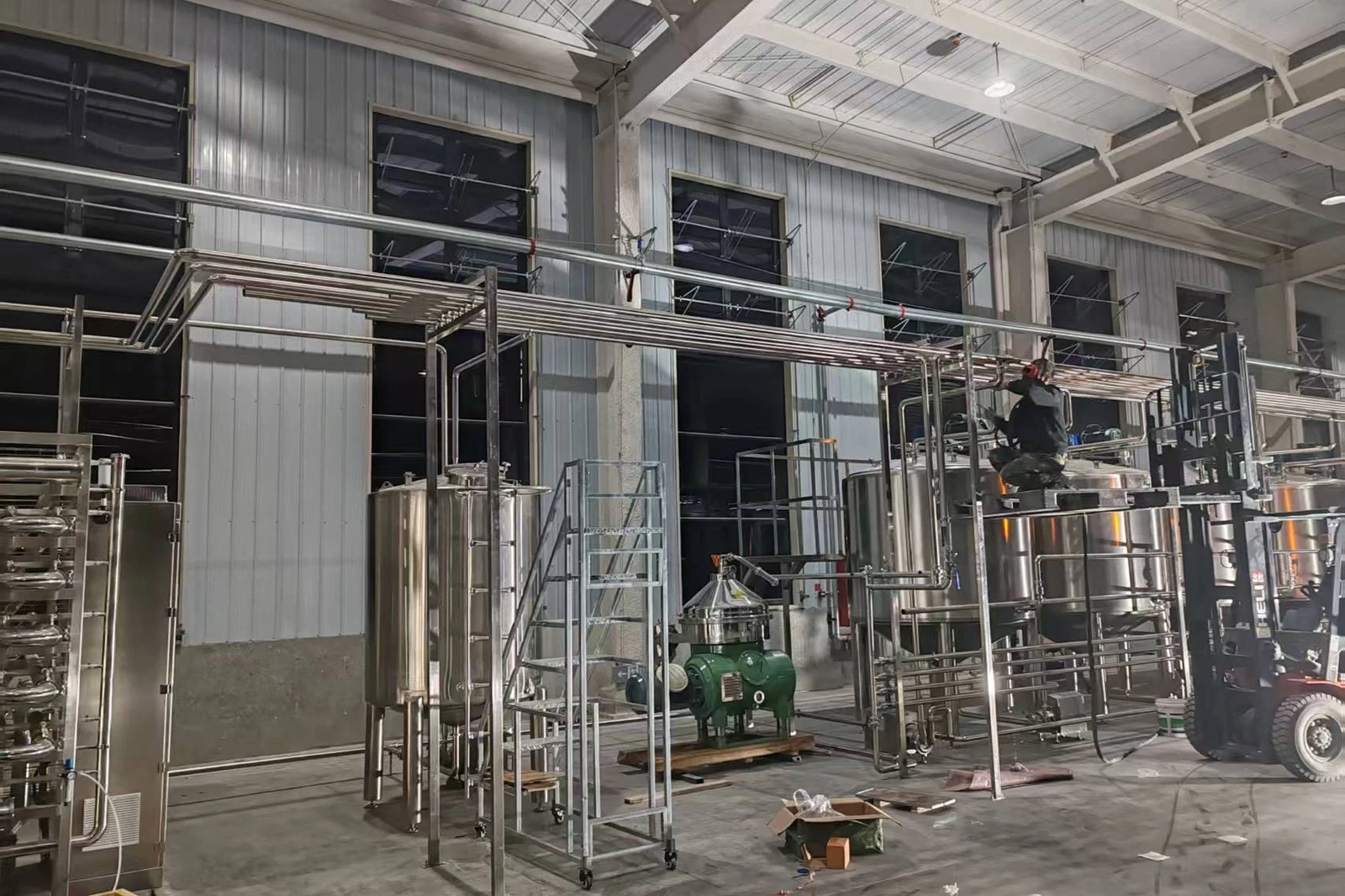
by Ronald Chen | Feb 27,2023 at 5:47 pm
CHINA · XINJIANGCistanche (Rou Cong Rong) extraction line
Fresh cistanche · botanical extract and concentrate · washing, slicing, extraction, filtration and concentration · 2025
-
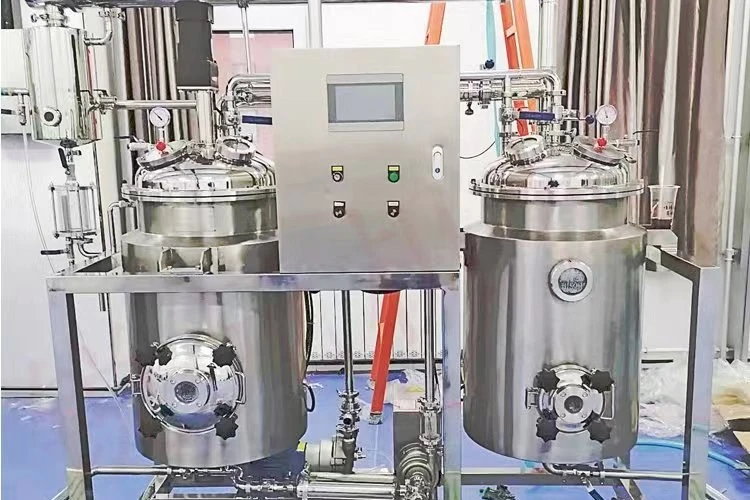
by Ronald Chen | Feb 27,2023 at 5:47 pm
CHINA · JIANGSUApple wine pilot line (Yanghe Group)
Fresh apple · apple wine and fermented beverage · crushing, pressing, fermentation support, filtration and blending · 2025
-
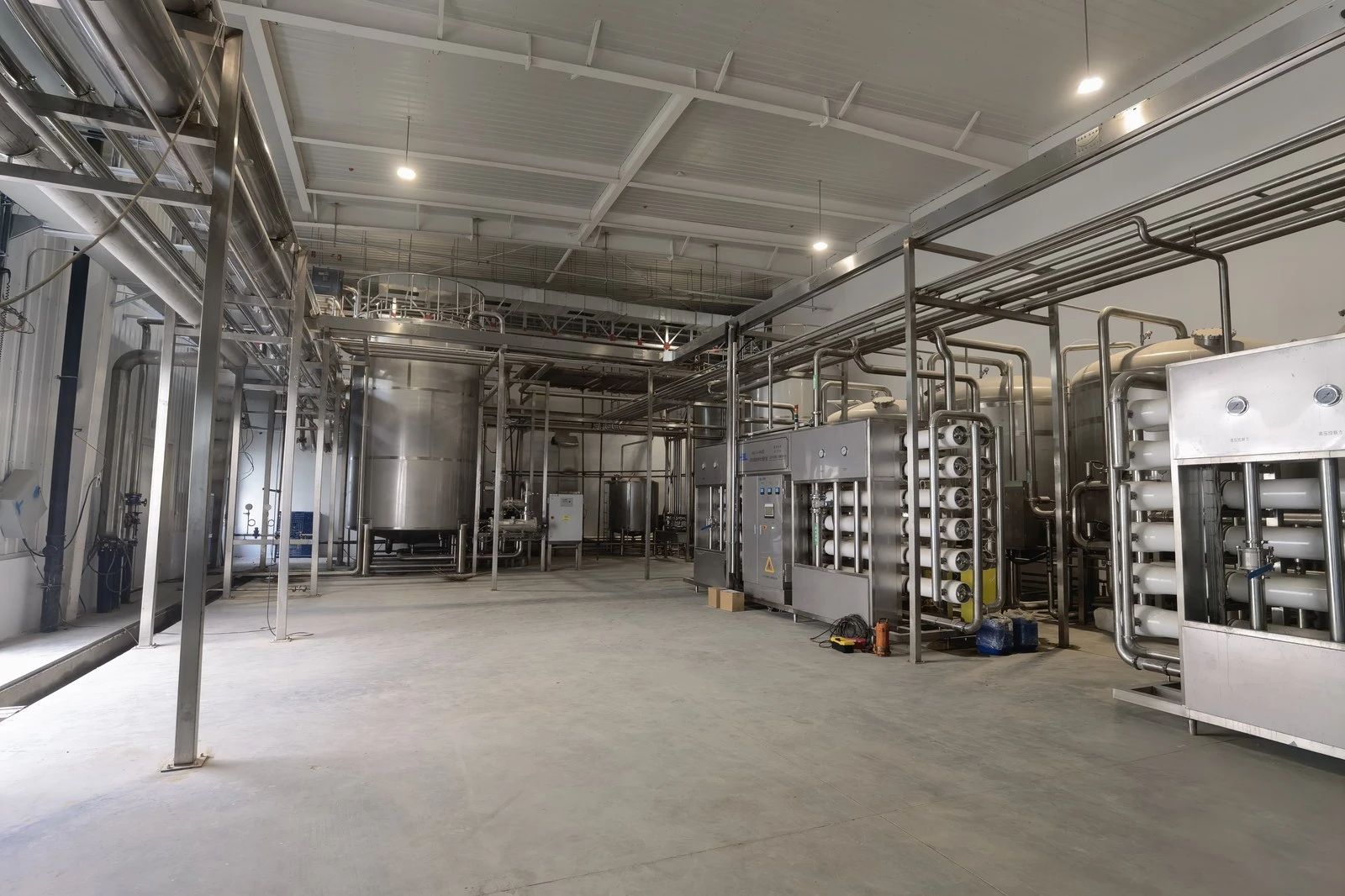
by Ronald Chen | Feb 27,2023 at 5:47 pm
CHINA · HENANCoconut jelly sterilization & filling (Mixue)
Coconut jelly · beverage topping · blending, sterilization, cooling and aseptic filling · 2021
More projects on record
Different raw materials, different process routes - the same engineering team.
|
Country / region |
Project |
Year |
|
Thailand |
Sugarcane juice line with CIP system |
2022 |
|
China · Tianjin |
Tea extraction line |
2023 |
|
Spain |
Aloe vera juice line, 2 t/h |
2009 |
|
Germany |
Dried apricot processing & packing |
2016 |
|
Brazil |
Lime oil extraction & juice |
2017 |
|
Australia |
Sugarcane juice line, Melbourne |
2019 |
|
Indonesia |
Coconut milk processing |
2023 |
|
China · Yunnan |
Vacuum-packed sweet corn line |
2020 |
|
Côte d'Ivoire |
Mango & pineapple drying |
2023 |
|
Mongolia |
Sea buckthorn processing line |
2016 |
|
Peru |
Dried mango processing |
- |
|
Bangladesh |
Mango deep-processing line |
2016 |
FAQ
1. Have you ever built and operated a plant yourselves?
2. What types of fruits and vegetables can your processing lines handle?
3. Can you design a complete fruit processing plant, not just supply machines?
4. How do you determine the required processing capacity?
5. Can one line produce different fruit products?
6. Can your equipment be integrated into our existing production line?
7. What is included in a turnkey processing solution?
8. Do you provide installation and commissioning services?
9. How is shelf life achieved - aseptic or hot fill?
10. Can you test our raw material before we commit to a line?
11. What about lead time, spare parts and after-sales?
Start Your Own Project
- Customized processing line configuration
- Wide range of fruit and vegetable applications
- Integrated equipment supply, 0.5–150 t/h
- Own plant experience: 2,000 t/day tomato paste
- Installation and commissioning assistance
- Spare parts and remote after-sales support
Get in Touch
Discuss your processing project .For more information, a quote, or expert advice, please leave a message and we will reply within 24 hours.