Fermentation process of edible enzymes
Nov 27, 2019
Traditional fermentation process
The production process of traditional fruit and vegetable enzymes generally has the following processes: raw material selection and impurity removal→cleaning→cutting→canning→sealed fermentation→filtration (fermentation liquid)→testing→bagging (sterilization), etc. Mainly put sugars, natural fruits and vegetables and water into ceramic fermentation tanks (without adding any other chemical substances) according to the golden ratio, and ferment at the mouth of the water-sealed tank. Open the tank for a certain period of time and stir, then seal and continue the fermentation at room temperature. Naturally ferment for six months to two years to obtain the plant essence, that is, the original enzyme prepared by the traditional enzyme fermentation process. Due to the simple operation of this process, it is often used as the main method of household enzyme production, of which the closed fermentation process is the most critical, which will affect the final product quality. Studies have shown that adding higher concentrations of isomaltose, sucrose or rice vinegar and other ingredients can effectively inhibit the growth of bacteria and the production of alcohol. However, traditional enzymes use natural fermentation technology, which is a closed fermentation system with mixed bacteria symbiosis, which has problems such as complicated parameter changes, difficult to control, and long fermentation cycle, which is not suitable for standardized production. In order to realize the large-scale industrialization and process production of edible enzymes, in recent years, researchers have mainly conducted research from two aspects: liquid fermentation and solid-state fermentation.
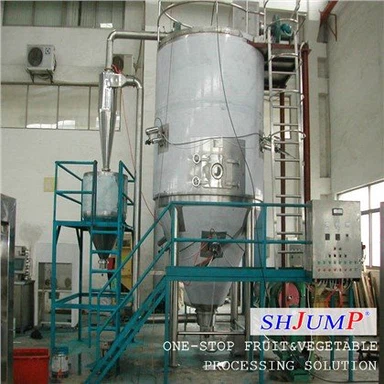
Liquid fermentation The production of enzymes at this stage mainly adopts liquid fermentation (also called submerged fermentation), in which grains, fruits, vegetables, mushrooms, medicinal and edible plants and other raw materials are inoculated with beneficial bacteria for fermentation to improve raw materials. Flavor, produce new active ingredients. However, the ferment products of liquid fermentation will inevitably be affected by factors such as seasonal factors, fermentation environment, and microorganisms in the fermentation system. Therefore, after fermentation, vacuum freeze-drying, spray drying and other technical means to remove most of the water in the liquid enzyme can not only obtain solid enzymes that still have biological activity, but also avoid the inactivation of microorganisms during transportation and storage. Phenomenon such as gas-producing frying bottles, for example, brown rice is used as raw material to inoculate probiotics in liquid fermentation and freeze-dried and crushed to obtain brown rice enzyme powder.
Solid-state fermentation The solid-state fermentation of edible enzymes is anhydrous fermentation on a solid substrate with a certain humidity. The solid fermentation substrate can be used as a fermentation substrate to provide carbon and nitrogen sources for the growth and reproduction of beneficial microorganisms, thereby promoting nutrient absorption and transformation. Research and practice have shown that filamentous fungi, bacteria and yeasts can ferment on solid substrates such as fruit peels and soybeans to produce enzymes, organic acids and other biologically active substances. For solid-state fermented enzymes, the types, content, and stability of the enzyme products are different due to their different fermentation conditions and conditions. However, from the current research, most of the raw materials for the production of enzymes contain a large amount of water and are not easy to carry out solid-state fermentation. The main problems in today's solid-state fermentation process include difficulty or insufficient mixing, and difficulty in controlling the fermentation rate and temperature during the fermentation process. Therefore, the solid-state fermentation edible enzyme technology needs to be further improved to meet the needs of large-scale industrial production.